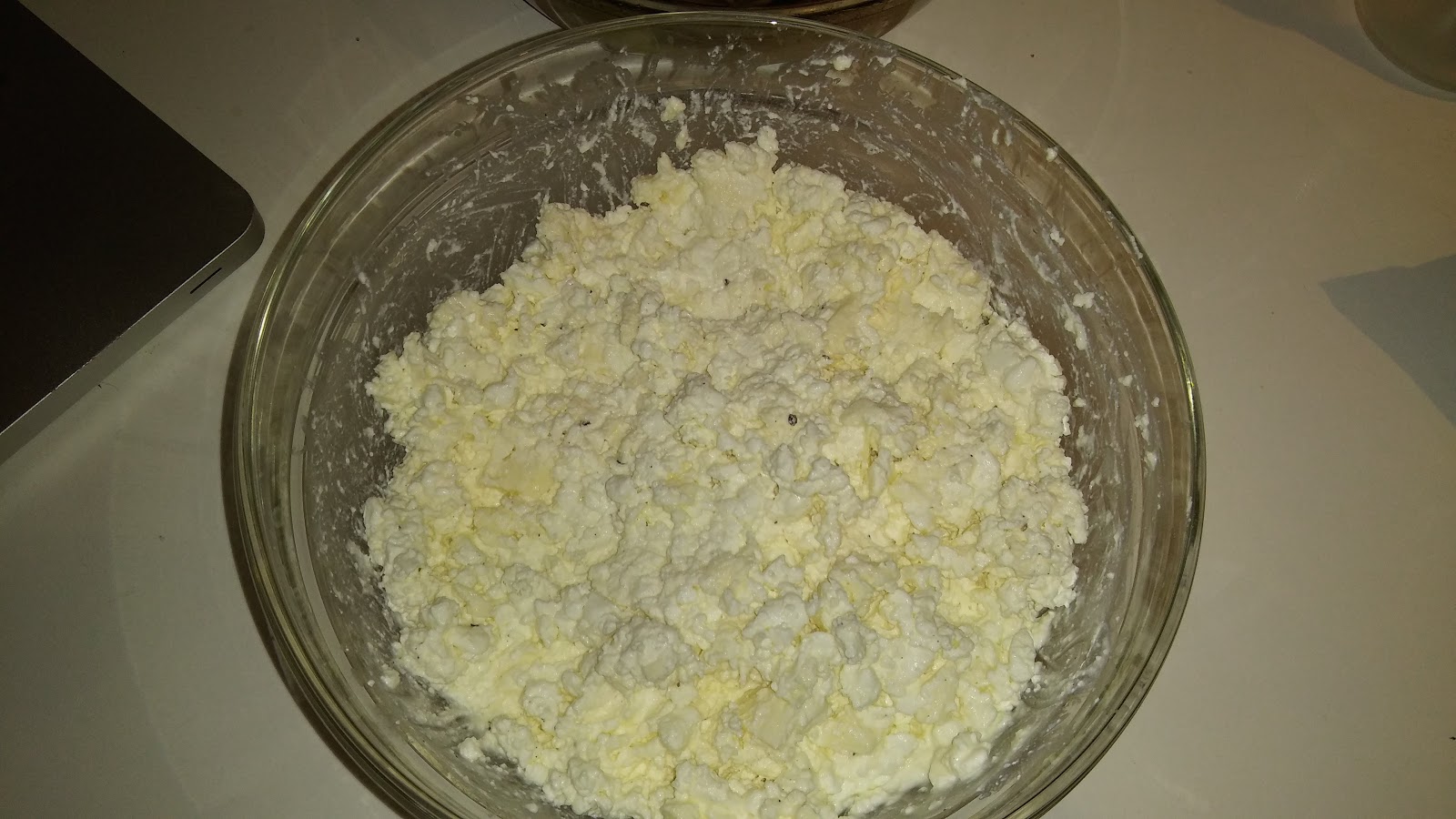
26.8.26

Baked lemon cheesecake

 Source: https://sallysbakingaddiction.com/lemon-cheesecake-recipe/

Ingredients

CRUST

210 g digestive biscuits

71 g unsalted butter

50 g sugar

CHEESECAKE FILLING

250 g sugar

1 tbsp lemon zest (about one lemon)

904 g plain cream cheese

120 ml fresh lemon juice (3-4 lemons)

80 g plain yoghurt (can use Greek yoghurt or sour cream)

1 tsp vanilla extract

3 eggs

LEMON CURD

4 egg yolks

134 g sugar

1 tbsp lemon zest (about one lemon)

80 ml lemon juice (2-3 lemons)

1/8 tsp salt

85g unsalted butter, softened to room temperature, cut into 6 pieces


Instructions

1) Preheat oven to 180 degrees.

2) FOR THE CRUST: Blend the biscuits into fine crumbs. Mix with sugar, then stir in melted butter until the mixture forms a sandy texture. Press firmly onto the bottom and slightly up the sides of a pregreased 22cm baking pan (springform i.e. with removable sides if possible) with baking paper on the bottom if you so wish. Put in the oven and prebake for 10 minutes. Take out of the oven and wrap the bottom of the springform pan in tinfoil (double wrapped), as this will then go into a water bath to bake the cake later. 

3) LEMON SUGAR: Put the sugar for the filling in a food processor, add lemon zest, blend together. 

4) FILLING: Using a hand beater, beat lemon sugar from previous step together with cream cheese until smooth and creamy. Add lemon juice, sour cream/yoghurt, and vanilla extract and beat together. Add eggs one at a time, beating in each egg before adding the next one. Once all the eggs are beaten in, stop mixing. Avoid overmixing the batter.

5) Pour the batter into the warm crust. Smooth over the top with a spatula.

6) WATER BATH: Boil a kettle and pour into a large roasting pan. Put the springform tin into the bath. There should be around 2.5 cm of water. DON'T POUR THE WATER INTO THE CAKE.

7) Bake the cheesecake for 55-70 minutes, until the centre is almost set. 

8) LEMON CURD: Make the curd while the rest of the cake is cooking. Boil a pot with about 5cm of water in it. Once it comes to the boil, reduce the heat and put a heatproof bowl over the simmering water. Place the egg yolks, sugar, lemon zest, lemon juice and salt into the top pot and whisk until completely blended, then continue whisking as it cooks. Whisk and cook for about 10 minutes until it thickens and resembles hollandaise sauce. Temperature should reach 77 degrees. If it isn't thickening, turn up heat and continue whisking. 

9) Remove from heat and add in the sliced butter directly. Whisk in the butter until it melts into the mixture. Pour the curd into a jar or bowl and place a piece of clingwrap on the top, touching the curd, so that it doesn't form a skin. Leave to cool. Can be stored for ten days. 

10) COOLING: Switch off the oven and leave the cake and bath in the oven with the door ajar for about an hour. Then, remove the cake from the oven and the bath and leave to cool for another hour at room temperature. 

11) TOP WITH LEMON CURD: Once cooled entirely, spread 3/4 cup of the curd (half the recipe quantity) over the top with a spatula. 

12) Refrigerate for at least 4 hours or overnight. 

13) Can be served with whipped cream, berries, or lemon slices. 


22.8.26

Gaenor's chutney

 Source: https://pinotbretzelsandcathedrals.com/2020/05/31/not-mrs-balls/

Ingredients: 

1.5kg apricots (with stones removed

3 large onions

1tbsp ginger

1/2tsp dried chilli (can add fresh chilli if desired)

500g raisins

750ml vinegar (wine or malt)

750g sugar

1 tbsp salt

Finely chop the onions, quarter the apricots, put in a big pot with the rest of the ingredients.

Bring to boil, reduce heat and simmer for an hour or two depending on the ripeness of the apricots. Stir occasionally to prevent sticking.

While the chutney is cooking, sterilise jars - wash thoroughly, then put in the oven at 100 degrees C for at least 20 minutes. Boil the lids and ladle and tongs to sterilise.

Once the chutney is cooked, carefully pour into the jars until almost full (leave about 0.5 cm space at the top of the jar) and close the jar with one of your sterilised lids. 

Once cool, tighten the lid. Can be stored in the basement for at least a year.

26.6.23

Vinegar šašlõkk

Original recipe in Estonian here 

1kg pork shoulder, cut up into roughly equal-sized chunks (4x4x1.5cm is the recommendation from the original recipe)

112 ml 8% vinegar (or 30 ml 30% vinegar - you should have 9ml of acetic acid, if I calculated correctly. You can do the conversions based on that volume, depending on the concentration of your vinegar)

4-5 large onions, cut into thin rings

2-3 cloves garlic, minced

2 tsp salt

1 tsp pepper

1 tsp sugar


Add everything into the same bowl. Mix and massage the vinegar into the meat for around 15 minutes, then leave to marinade in fridge overnight. 

Thread meat and onions onto skewers, cook on the braai, and enjoy.

Vindaloo (original style)

Amazingly brilliant. I've not changed anything from this recipe:

75ml cider vinegar
700g pork shoulder, cut into 3cm chunks
4 tbsp ghee, neutral or coconut oil
500g onions, finely sliced (about 4 medium onions)
60g tamarind pulp
10 garlic cloves, finely sliced
5cm thick length of ginger, cut into slim matchsticks
4 ripe tomatoes, diced
2-4 small green chillies
10 curry leaves (optional)
1 tbsp jaggery or soft brown sugar
1 tsp salt
1 tsp black mustard seeds

For the masala
2 tbsp Kashmiri chilli powder or paprika
Seeds of 8 cardamom pods
1 tsp black peppercorns
8 cloves
1 tsp cumin seeds
½ tsp coriander seeds
½ tsp turmeric
5cm cinnamon stick
Grind masala ingredients, then add in the vinegar. Rub into the pork and leave to marinade for 3 to 4 hours. 
Heat the ghee in a large pot, then fry the onions over a medium-low heat until soft and golden. Meanwhile, soak tamarind pulp in 120ml of hot water for 15 minutes, then gently rub off pulp from seeds, then strain off the liquid and set aside, and discard the solids. 
Add garlic and ginger to the onions and stir in, cook for another 5 minutes, then add tomatoes, chillies and curry leaves and cook until tomatoes start to break down.
Add the pork and marinade, turn up heat to medium-high, mix in jaggery (sugar), salt and mustard seeds, and then add tamarind liquid. Bring to simmer, turn heat down, cover and cook for an hour. 
After an hour, remove the lid and thicken on a low heat for another 30 minutes. Serve with rice, naan or whatever.

Royal potato salad a l'Ottolenghi

800 g new potatoes, washed 
150 g frozen peas
20 g parsley leaves
20 g basil leaves
60 g pine seeds
60 g parmesan
2 cloves garlic
200 ml olive oil
1 tsp white wine vinegar
handful of mint leaves
5 boiled eggs (or 15 quail's eggs)
salt and pepper

Wash the potatoes, boil for around 20 minutes until soft but firm. Boil the eggs until ready (I reckon about 4 minutes is enough), then refresh in cold water. Blanche the peas for 30 seconds in boiling water, then rinse and refresh in cold water.

While the potatoes are boiling, add the parsley, basil, pine seeds, garlic and parmesan to a food processor and blend. Add in olive oil bit by bit until you have a runny pesto. 

When the potatoes are cooked and have cooled enough to handle, cut them in half or quarters, then mix in with the pesto, mint leaves and vinegar. Season with plenty of salt and pepper.

Peel and quarter the eggs, mix in gently with the potatoes, and serve. Add extra mint or parsley as garnish if you want.

6.6.22

French onion soup

Slow-cooker special to make a French classic. The original recipe I used (available here) doesn't require caramelising the onions. However, I think it would be that much better (and it was excellent when we made it in the winter) if you do take the extra effort to caramelise them. Here's my adaptation of a French classic.

Will serve lots. Recipe designed for a 5.7-litre slow cooker:

1.5 kg onions, thinly sliced (use a mandolin if you have one)
100g butter for frying
2 tbsp sugar
6 sprigs fresh thyme
1 bay leaf
1.5-2 l beef stock
1/2 cup sherry (or use wine vinegar)
Salt and pepper to taste
Baguette, sliced lengthwise
2 cups grated cheese (Gruyère or something similar)

Caramelise the onions in a big pan or two for about 30-45 minutes. To do this, slice the onions into rings or half-rings. Put a big pan on a medium heat with butter, thyme and bay leaves, then leave to cook, occasionally stirring. After 10 minutes, add the sugar and sprinkle salt over the top. (This step can also be done directly in the slow cooker, in which case at everything at the start and leave the onions ot cook for 6-8 hours, stirring occasionally).

Next, move everything into a slow cooker. Add the onion mix, stock and sherry, season with salt and pepper, cook for an additional 2-3 hours, stirring occasionally. At the end, discard the bay leaves and thyme. 

Switch on the grill in the oven. Put the baguette under the grill and cook for 1-2 minutes either side. 

Dish up some soup into an oven-proof bowl, top with a baguette slice or two, then top the bread with cheese. Put back into the oven and grill for around 2 minutes until the cheese has melted and is cooked.

Kohupiima pannkoogid (Curd pancakes)

  • 100 ml flour
  • 2 egg yolks
  • 2 tablespoons sugar (or to taste)
  • 500g kohupiim / milk curds
  • Pinch of salt


Mix all the ingredients together. Fry with a bit of vegetable oil, serve with jam or other sweet toppings.

12.7.19

Peri-peri chicken livers

A cheap and easy meal or snack for all occasions. Spiciness can be adapted according to taste. Based on this recipe.

500 g chicken livers, cleaned
butter for frying
3 cloves of garlic, minced
3-4 tbsp peri-peri sauce, or to taste (I have it on good authority that you can use sweet chilli sauce too. Alternatively, peri-peri sauce is quite easy to make at home)
juice of 1 lemon
125 ml cream
salt and pepper for seasoning
parsley, to serve
crusty bread, to serve

Melt the butter in a hot pan and fry the livers and until golden-brown on both sides. Add the garlic and peri-peri sauce and fry for another minute or so, then add the lemon juice and cream, season and leave to simmer for 5-7 minutes. Garnish with parsley and eat with bread on the side.

11.7.19

Soba, aubergine and mango salad

Just incredible. Courtesy of Yotam Ottolenghi's book, Plenty:

120 ml rice vinegar
40 g sugar
1/2 tsp salt
2 cloves garlic, minced
1/2 fresh chilli, minced
1 tsp sesame oil
zest and juice of 1 lime, plus extra juice to taste
sunflower or rapeseed oil for cooking
2 medium aubergines
250 g soba noodles (made from buckwheat flour)
1 ripe mango (or 2, depending on how much mango you want)
handful each of coriander and basil, roughly chopped
1/2 red onion, sliced thinly

For the dressing, bring the vinegar, sugar and salt to the boil and cook for a minute. Take off the heat, add in the garlic, chilli and sesame oil, and leave to cool. Once cooled, add the lime juice and zest.

Dice the aubergine into 2cm pieces. Fry until golden brown. Once cooked, sprinkle salt over the aubergine and place in a colander to drain.

Cook the soba noodles for around 5-8 minutes depending on the pack instructions. Once cooked, drain in a colander, rinse with cold water, and leave to drip dry. Original instructions say to squeeze out the excess water - not sure if this is entirely necessary, but you do you.

Dice the mango into chunks similar in size to the aubergine. Roughly chop the herbs. Throw the noodles, aubergine, mango, herbs, onion and dressing into a big bowl, mix everything together, then leave to marinade for an hour or two. Serve with bread.

Can serve as a main meal or a side, depending on how hungry you are. Add whatever you want to the salad - tofu and mushrooms spring to mind.

24.2.19

Lemon meringue cheese cake

Lots of excellence. Based on this recipe:

250 g digestive biscuits/biscuits sablés, crushed into crumbs
125 g melted butter
250 g unflavoured cream cheese
2 eggs, yolks and whites separated
1 400ml tin condensed milk
60 ml lemon juice
1 tbsp finely chopped lemon zest - don't worry if you have more than 60 ml or 1 tbsp respectively
125 g caster sugar - if you have regular sugar, it'll work too. Just throw it in a coffee grinder and it'll be fine

Preheat the oven to 190. Grease a 20-23 cm cake tin. Mix the biscuit crumbs and butter together to form your cake base, then press firmly into the bottom of the cake tin. Put in the fridge and chill for around 30 minutes.

While you're waiting for the base to firm up, beat together the cream cheese, egg yolks, condensed milk, lemon juice and lemon zest until good and smooth. Once the base is ready, add the cake filling into the cake tin and bake for around 15 minutes.

While the cake part is in the oven, whisk the egg whites until stiff, then add in the sugar little by little and keep whisking until the mixture is glossy. I highly recommend using a machine for this. Spoon this mixture over the cake, then return to the oven and bake for another 10 minutes or until the meringue mixture is golden. Leave to cool, then serve.

It was lovely. Very recommend.

23.2.19

Banoffee

A classic. Based largely on this recipe:

100g butter, melted
250g digestive biscuits (I've used biscuits sablés in France)
400g tin of condensed milk—do not open the tin yet!
2-3 bananas, sliced up
300ml double cream, well whipped
100g chocolate, grated

Remove the label and as much of the glue as you can from the tin of condensed milk, then boil for around 2-3 hours. This will turn the condensed milk into caramel. If you can't wait for this long, you could probably buy a tin of caramel somewhere. Crush the biscuits or throw them into a food processor and pulse until crumbed, then mix well with the melted butter. Press into the bottom and sides a 23cm cake tin and put in the fridge to set. When the condensed milk is ready, leave it to cool for a bit, then spoon over the biscuit base, place the banana slices on top (you could also put the bananas down first and then the caramel—up to you), then finally top with the cream and sprinkle the grated chocolate over the top.

You might not want to eat anything too sweet for a while afterwards, but it's worth it.

8.9.18

Vegetarian lasagne

We needed to use up some stuff in the fridge, so I made this. It was nice.

150-200g lasagne sheets (I needed 6 large-ish fresh sheets)
2 400g tins whole tomatoes (you could also use diced)
2 onions
2 cloves garlic
2 courgettes
250g mushrooms
1/2 cup red wine (can also use red wine vinegar)
200-300g grated cheese (I guess you should use mozzarella or Parmesan, but we had some regular grated Edam which worked quite well too)
250ml bechamel sauce
Mixed herbs
Salt and pepper to taste

Start with the tomato sauce. Fry the onions and garlic for a few minutes, then add the tomatoes, wine, herbs and seasoning and cook for around 30-45 minutes. If you want more sauce in your lasagne, double the quantities here.

While the sauce is cooking, thinly slice the courgettes lengthwise if possible (you can use a mandolin for this!) or otherwise just use discs. Slice up the mushrooms into thin slices too. Also preheat the oven to 180 degrees.

When the tomato sauce is ready, start assembling your dish. Grease the bottom of your oven dish, then layer as so (not too important, this is how I did it): pasta sheets, courgettes, mushrooms, tomato sauce, bechamel sauce, cheese, pasta, courgettes, mushrooms, tomato sauce, bechamel, cheese, pasta, bechamel, cheese. Season as you go.

Pop it in the oven and cook for 45 minutes to an hour, depending on your oven. It'll come out lovely. 

Watermelon gazpacho

Another excellent find from this summer. The original is courtesy of Saveur, and a very nice place it is too.

1 kg watermelon, rind removed and roughly chopped
big bunch coriander
a third as much mint (or to taste)
3 tbsp lime juice
2 tbsp olive oil
1 Noa or English cucumber, peeled and roughly chopped
1 chilli, deseeded and roughly chopped
1 big tomato (I used coeur de boeuf, but it's up to you), roughly chopped
1 onion, peeled and roughly chopped
salt and pepper to taste

Throw everything into a blender or food processor. Chill for a few hours and serve.

Excellent on a hot summer's evening. 

Beetroot and cherry soup

Despite the odd combination, this is actually very good. Allegedly, it's meant to be an effective anti-inflammatory, but even if it doesn't work as the original recipe intended, it is very tasty.

500 g beetroot (raw, not pre-cooked)
4 carrots, peeled and roughly chopped into halves or thirds
2-3 cloves garlic (not in the original recipe, but I thought it worked well)
1-2 onions
2 thumb-sized pieces of ginger, roughly chopped
1 thumb-sized piece turmeric root (or 1 tbsp dried, powdered turmeric, which is what I used)
1 tbsp cinnamon
250 g tart/sour cherries (you can probably buy them frozen; they should be depitted in advance)
400ml tin coconut milk (or to taste)
750ml - 1l stock (vegetable or chicken)
salt, pepper, cayenne or chilli to taste
olive oil

Preheat your oven to 180 degrees. Wrap the beetroot in foil (if you like, you can peel it first, which is what I did, although I understand it cooks better in its skin and then you can peel it). Put the beetroot and carrots on a baking tray and cook for about 45-60 minutes (the carrots might be ready before the beetroots, depending on the size). When ready, take the beetroots and carrots out of the oven, and, if applicable, peel the beetroots. Chop the vegetables up into smaller pieces.

While the root vegetables are cooking, gently cook the onion, ginger, garlic, and turmeric in a large pot. When ready, add in the beetroot and carrots, cinnamon, cherries, coconut milk, and about a cup or 2 of stock, plus the seasoning and olive oil, and blend it all together using a hand-held blender. Add in more stock as desired to thin the soup.

Bring to the boil and simmer for about 5-10 minutes or so. Serve with some bread on the side.

It's very good. Really.

5.9.18

Thai gazpacho

It was a very hot summer here, so we ate a lot of cold soups. This one turned out very nicely, although if you want it to have a reasonably attractive colour, make sure you use yellow tomatoes, not red ones. Otherwise, though, it's all very tasty. Based on this recipe.

Ingredients:
3-4 large yellow tomatoes, cut into chunks
1 full Noa cucumber, or 1/2 English cucumber, peeled and cut into chunks
1/2 yellow pepper, deseeded and cut into chunks
1 onion
1-2 cloves garlic
1 tbsp lemongrass (paste, fresh, or frozen)
1 thumb-size piece of ginger, peeled and roughly chopped
juice and zest of 1 lime
2 tbsp fish sauce
1 tsp chilli paste OR 1 chilli (or to taste)
mint, (Thai) basil and coriander to taste (should be about 1/2 cup or so)
1/2 a 400ml tin of coconut milk (you can use more too, but keep some for serving)
seasoning

Throw the tomatoes, cucumber, pepper, and onion into a blender and blend. Add the garlic, lemongrass, ginger, lime juice and zest, fish sauce, chilli, herbs and seasoning, and then as much coconut milk as you want (less is more, add little by little until you have as much as you want). Blend the mixture until smooth.

Put in the fridge to cool for a few hours. Serve with some bread on the side. 

Maghmour (Lebanese aubergine stew)

Just, like, the greatest dish ever. Honestly, this is one of the best things I have tasted. It's very simple, very quick, and tastes amazing. I cannot recommend this enough.

It's basically this recipe with a few small changes.

1 kg brinjal/aubergine, cut into cubes of ca. 5x5x5 cm
1/2 cup olive oil
2 x 400g tins chickpeas, well rinsed
1-2 onions, diced
Garlic to taste (original recipe calls for 5 cloves)
thumb-sized piece of ginger, minced
2 x 400g tins tomatoes (or equivalent fresh diced tomatoes. I've used both, and both work well)
1 tbsp tomato paste
1-2 tsp paprika
1/2 tsp cayenne pepper
1 tsp dried mint or mixed herbs (I also used fresh mint the first time, which worked quite well)
1 - 2 cups water (depending on preferences)

Preheat the oven to 200 degrees. Arrange the aubergine on a baking sheet, cover with 1/4 cup of olive oil and bake for 20-30 minutes until brown. While you're doing that, add the rest of the olive to a pot and brown the onions, then add the garlic and ginger and cook for a few more minutes on a medium heat. Finally, add the chickpeas, tomatoes, tomato paste, herbs, and aubergine, mix together, and cook for about 20 minutes. If it gets too dry, add some water to maintain a stewish consistency (to be fair, I've never needed to add any).

Serve with couscous and enjoy. It is lovely. 

28.8.18

Sweet potato and chickpea burgers with homemade braai relish

This is a blend of this recipe for the patty and this one for the relish with some small changes. It worked quite nicely eventually.

Should make around 4 patties

1-2 sweet potatoes (should be around 500g or so)
400 ml tin chickpeas
1 lemon, zest and juice
cumin, cinnamon, salt and pepper to taste
burger rolls, tomatoes, salad leaves, gherkins to serve

These quantities make quite a lot of relish. You could cut them in half if desired:
1 onion
6 tomatoes, or 2x 400 ml tins of diced tomatoes
garlic to taste
1-2 tbsp peri peri sauce (or to taste)
2 tbsp soy sauce
1 tbsp tomato sauce/purée
salt, pepper, cayenne pepper to taste

Chop up the sweet potatoes into chunks and steam until soft. Drain and rinse the chickpeas, then chop them up in a food processor. Once the sweet potatoes are ready, add them to the chickpeas, add the seasoning, and mix in (don't use the food processor). Form into four patties (or as many as you want) and put them in the freezer for about 30 minutes or so. Preheat the oven to 180 degrees.

After 30 minutes, put the patties on a baking tray and put in the oven. Cook for about 25 minutes or so. Once they are "cooked," fry them in a pan to firm them up well.

While the patties are in the freezer or the oven, dice the onion and garlic and gently cook in a pot until soft. Add the tomatoes, peri peri, soy sauce, tomato sauce, and seasonings and cook on a low temperature for around 20-30 minutes, stirring occasionally to stop it catching on the bottom of the pot.

Serve in a roll with your preferred toppings (the gherkins, tomatoes, salad leaves and braai relish really worked well with this). You could also make some chips if you are feeling energetic.


27.8.18

Duck with soy, ginger and honey gravy

This was amazing. I made some changes from this recipe, and I'm pretty chuffed with the results:

2 duck breasts, skin scored
Salt, cayenne pepper, pepper (to season duck)
1/2 cup chicken stock
2-3 tbsp honey
2-3 tbsp soy sauce
2-3 tbsp rice wine/rice wine vinegar (you could probably use wine vinegar too)
1 tbsp ginger, grated
1 tbsp tomato sauce or purée
Chilli powder/flakes to taste
1 tsp lemon juice (original calls for lime juice, though)

Preheat the oven to 200 degrees. Rub the salt, pepper, and cayenne pepper into the duck, then place skin down in a hot pan for about five minutes to brown, flip and cook for another minute or two, then put in the oven and cook for around 15-20 minutes (or to taste—duck can be cooked medium or even medium-rare). When ready, pour off the excess fat into a small pan and leave the duck breast to rest for a few minutes.

Heat your small pan with its duck fat and add the stock, honey, soy sauce, rice wine (vinegar), ginger, tomato sauce, chilli powder and lemon juice. Whisk while bringing it to the boil and then cook for about 5 minutes, still whisking.

Slice the duck breast into thin slices, serve the sauce over the duck.

We had this with a rice/quinoa/lentil mixture they sell in France, but it should go well with potatoes too.

It is lovely. Highly recommended.

4.2.18

Khachapuri (Georgian cheese bread)


So this was nice.

Something popped up my social media feed the other day, and I thought I would give it a try. The results, while not perfect, were very pleasing. This is not exactly authentic khachapuri, as it's somewhat difficult to get sulguni in Strasbourg. Nevertheless, we enjoyed the meal.

The original recipe was very quick and simple, but after a little bit of research, I found a recipe on the New York Times' website that suggests using fresh goat's cheese as part of the cheese substitute. I reckon the fragrance and taste of the goat's cheese would work well, so I would include that next time. Full disclosure: I also used a bread machine for the kneading, and probably added in too much flour. As my grandmother once told me, when asking her for quantities: put in just enough, but not too much. I am beginning to understand what she meant...

Anyway, here's non-Georgian Georgian-style khachapuri with sulguni substitute. The quantities quoted here should make about 4 big loaves (?):

Dough:
1 pack yeast
1 tsp salt
1 tbsp sugar
400–450 g flour
375 ml (1.5 cups) milk
3 tbsp olive oil or 100 g butter, left to soften and finely chopped

Filling and other stuff
2 x 100 g tubs cottage cheese, drained in a sieve
OR 1 x 100 g cottage cheese, drained, and 1 x 100 g goat's cheese, thinly chopped
1.5 x 125 g balls mozzarella, shredded or finely chopped
1.5 x 150 g slabs feta, crumbled
seasoning
1 egg per khachapuri (optional)
1 egg for the glaze, beaten, and mixed with 1 tsp water
Extra butter

Heat the milk to around 40 degrees C (lukewarm, maybe a bit more).

If using a bread machine, add the milk, salt, and sugar first, then oil, then flour (all 450 g of it), then yeast on top. Set to knead and let rise. When it has finished rising (at the end of the cycle), knock it back, then leave to rise for another 30 minutes or so.


If doing it by hand, add the yeast and half the sugar to half the warm milk, mix well, and leave for 10 minutes. Add the rest of the milk. Sift about 400 g flour into a bowl, make a well in the centre, then add in the yeast/milk mixture, remaining sugar, and the butter. Stir well until you have a firm ball of dough, then pour out onto a floured surface and knead for around 10 minutes. If needed, add some of the extra flour. When ready, put in a greased bowl, grease the dough by turning, copy with a tea towel and leave to rise in a warm place for around 60–90 minutes, until doubled in size. Knock back and leave to rise again, another 30–40 minutes.

While the dough is proving, mix the cheeses. Put all the shredded cheese in a bowl and mix. Season to taste.


Preheat your oven to 230 degrees C. Take out your dough, divide it into 4 pieces, then roll out into circles approximately 20 cm in diameter. Roll opposite sides in towards the centre, forming a boat shape. Put the dough on a baking tray with baking paper, spoon in the cheese (don't be shy), then twist the ends. Brush with the egg glaze, then put in the oven for 15 minutes or so.

After 15 minutes, take out, make a well in the cheese, and crack an egg in the middle of each khachapuri (if desired), and add a bit of butter to the top of each khachapuri. Return to the oven and cook for another 5-8 minutes, depending on your oven. The white should be runny but cooked.


When ready, remove from the oven, gently mix the egg into the cheese, and serve immediately.

28.1.18

Kale and marscapone-stuffed chicken on a bed of roast vegetables


So this was nice...

The vegetable quantities are for about 4 people, but the chicken is only for about 2. Increase the stuffing and wrapping proportionally based on the number of people, and add a breast for each person eating. It's more or less the same as this recipe, but some small tweaks have been made.

Chicken and stuffing (quantities for 2 breasts):
2 skinless chicken breasts (these should be relatively thick, so that you can cut them open and stuff them)
50-60 g kale, roughly chopped and well washed (about 25 g per breast)
2 tbsp mascarpone (about 1 tbsp per breast)
1-2 garlic cloves
zest of about 1/4 to 1/2 a lemon, plus juice if desired
Provencal herbs
a dash of olive oil
seasoning
6-8 rashers of smoked bacon, depending on breast size and how much bacon you might want

Vegetables:
250 g parsnips, peeled and sliced
250 g sweet potatoes, peeled and chopped into thinnish discs
2 onions, peeled chopped into quarters
100 g mushrooms, washed and halved or quartered if needed
1 red pepper, sliced up into strips

Preheat the oven to 200-220 degrees, depending on your oven. Boil the kale for about 4 minutes to soften it up, then drain it, squeeze out the remaining water, and blitz it in a food processor with the mascarpone, garlic, lemon olive oil and seasoning. Cut along the chicken lengthways and stuff the kale and mascarpone into the cavity. Wrap the bacon tightly around the chicken and season. Topelt ei kärise.

Add some oil to a baking tray or dish, then put the vegetables in and toss to cover with the oil, and season, then put in the oven and cook for about 10 minutes. Once the 10 minutes are up, mix the vegetables, put the chicken on top of the vegetables and cook for another 20 to 25 minutes, turning the chicken and mixing the vegetables halfway through. Once the chicken is cooked, cover with foil and leave for a bit, then serve with extras in waiting.

This is really good. Enjoy.