
So this was nice.
Something popped up my social media feed the other day, and I thought I would give it a try. The results, while not perfect, were very pleasing. This is not exactly authentic khachapuri, as it's somewhat difficult to get sulguni in Strasbourg. Nevertheless, we enjoyed the meal.
The original recipe was very quick and simple, but after a little bit of research, I found a recipe on the New York Times' website that suggests using fresh goat's cheese as part of the cheese substitute. I reckon the fragrance and taste of the goat's cheese would work well, so I would include that next time. Full disclosure: I also used a bread machine for the kneading, and probably added in too much flour. As my grandmother once told me, when asking her for quantities: put in just enough, but not too much. I am beginning to understand what she meant...
Anyway, here's non-Georgian Georgian-style khachapuri with sulguni substitute. The quantities quoted here should make about 4 big loaves (?):
Dough:
1 pack yeast
1 tsp salt
1 tbsp sugar
400–450 g flour
375 ml (1.5 cups) milk
3 tbsp olive oil or 100 g butter, left to soften and finely chopped
Filling and other stuff
2 x 100 g tubs cottage cheese, drained in a sieve
OR 1 x 100 g cottage cheese, drained, and 1 x 100 g goat's cheese, thinly chopped
1.5 x 125 g balls mozzarella, shredded or finely chopped
1.5 x 150 g slabs feta, crumbled
seasoning
1 egg per khachapuri (optional)
1 egg for the glaze, beaten, and mixed with 1 tsp water
Extra butter
Heat the milk to around 40 degrees C (lukewarm, maybe a bit more).
If using a bread machine, add the milk, salt, and sugar first, then oil, then flour (all 450 g of it), then yeast on top. Set to knead and let rise. When it has finished rising (at the end of the cycle), knock it back, then leave to rise for another 30 minutes or so.

If doing it by hand, add the yeast and half the sugar to half the warm milk, mix well, and leave for 10 minutes. Add the rest of the milk. Sift about 400 g flour into a bowl, make a well in the centre, then add in the yeast/milk mixture, remaining sugar, and the butter. Stir well until you have a firm ball of dough, then pour out onto a floured surface and knead for around 10 minutes. If needed, add some of the extra flour. When ready, put in a greased bowl, grease the dough by turning, copy with a tea towel and leave to rise in a warm place for around 60–90 minutes, until doubled in size. Knock back and leave to rise again, another 30–40 minutes.
While the dough is proving, mix the cheeses. Put all the shredded cheese in a bowl and mix. Season to taste.
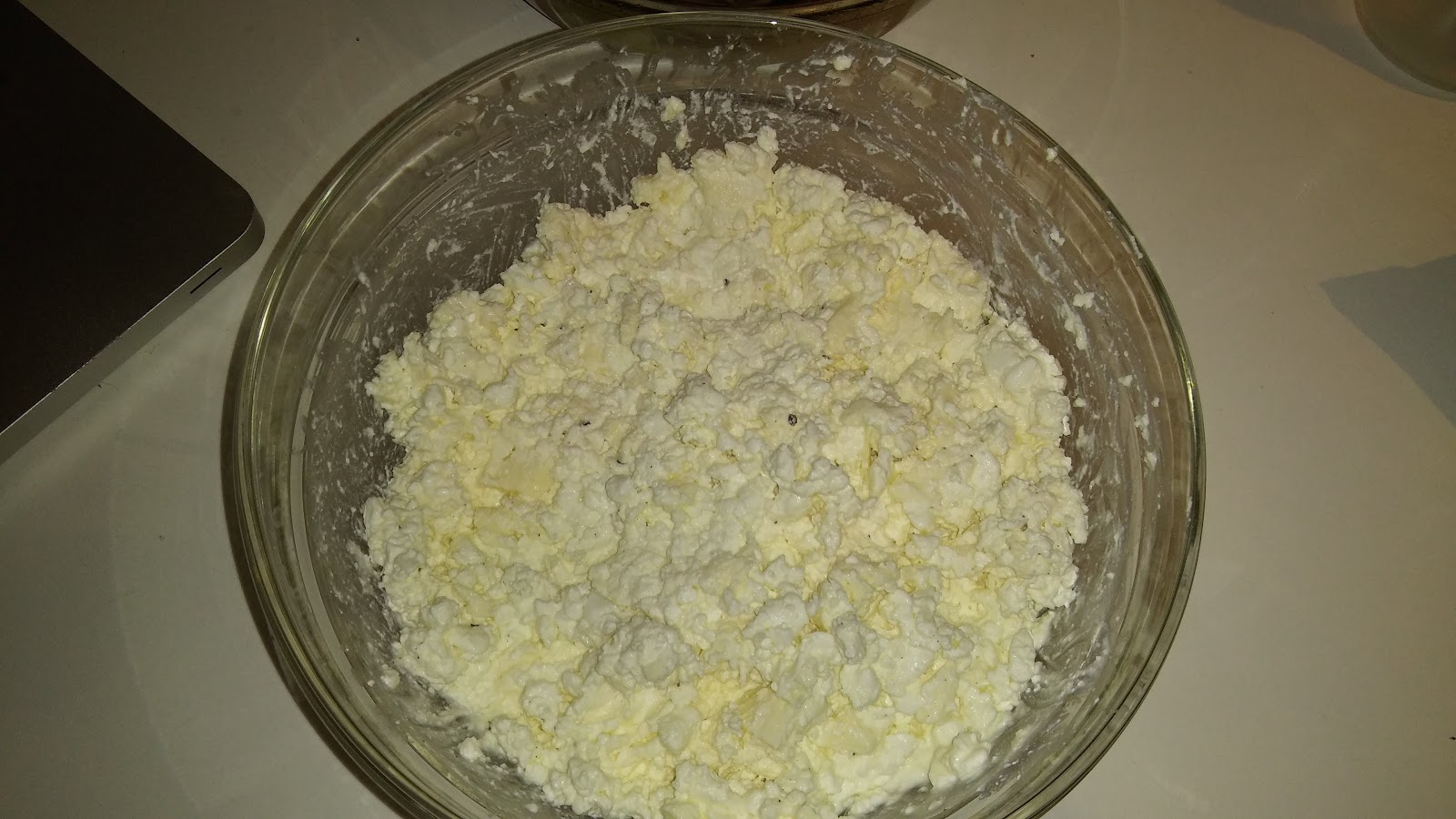
Preheat your oven to 230 degrees C. Take out your dough, divide it into 4 pieces, then roll out into circles approximately 20 cm in diameter. Roll opposite sides in towards the centre, forming a boat shape. Put the dough on a baking tray with baking paper, spoon in the cheese (don't be shy), then twist the ends. Brush with the egg glaze, then put in the oven for 15 minutes or so.
After 15 minutes, take out, make a well in the cheese, and crack an egg in the middle of each khachapuri (if desired), and add a bit of butter to the top of each khachapuri. Return to the oven and cook for another 5-8 minutes, depending on your oven. The white should be runny but cooked.

When ready, remove from the oven, gently mix the egg into the cheese, and serve immediately.

